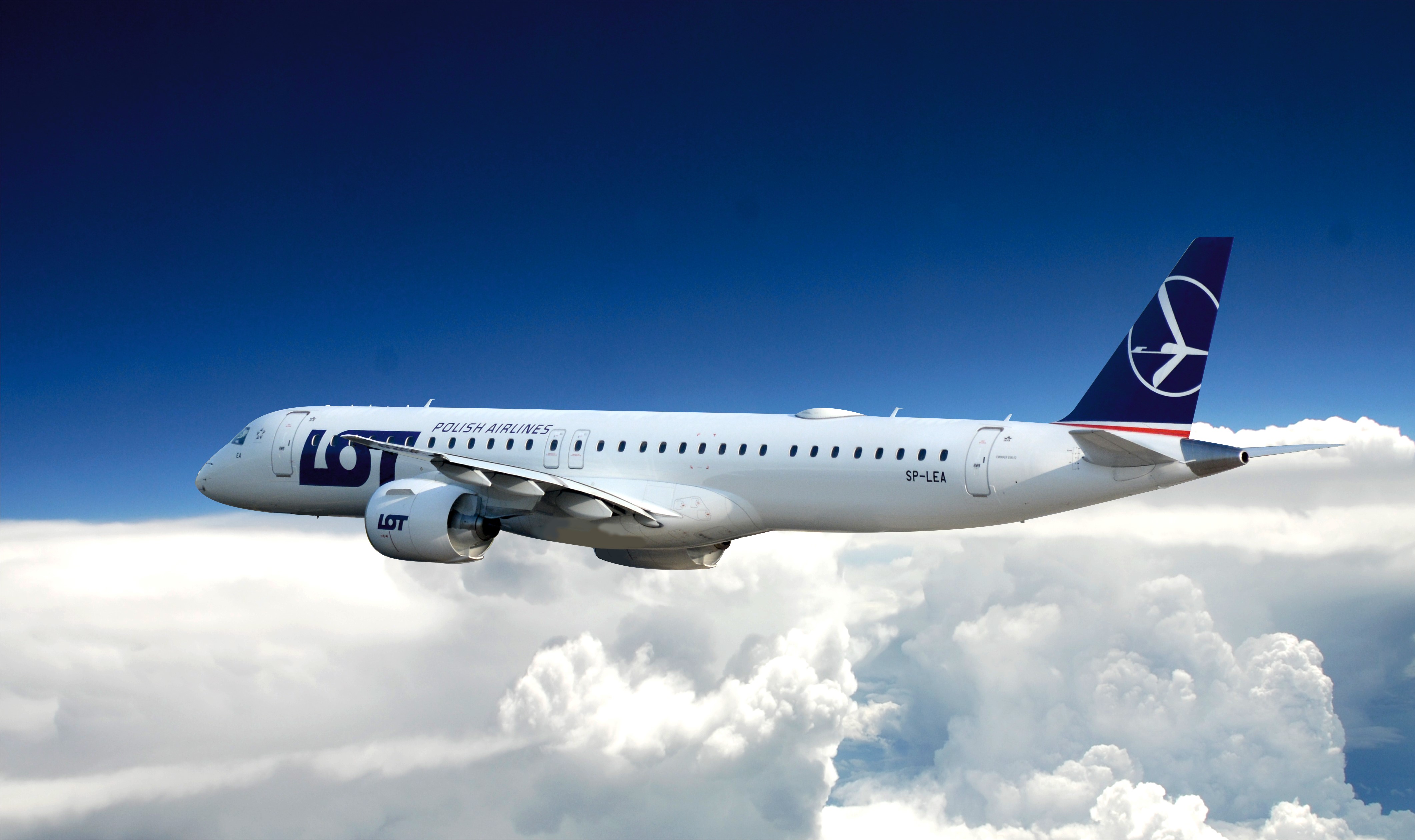
Embraer’s 2026 Bridge Year: Delivering a Sold‑Out Backlog
Embraer’s 2026 story is less about shiny new launches and more about industrial execution: a “bridge year” in which the company converts a packed orderbook into deliveries while working through persistent supply-chain friction. That dynamic—high demand, constrained near-term output—sets the tone across commercial aviation, defense, services, and Eve’s eVTOL program.
2026 as the “bridge year”
Embraer enters 2026 with production slots described as “practically closed for 2026 and 2027, and partially for 2028,” signaling that near-term growth is bounded by industrial capacity rather than sales momentum. Management has also been explicit that 2026 remains “a challenging year” for commercial jet production, with a clearer growth ramp expected from 2027 onward. For aero-news watchers, the key 2026 question is therefore operational: how effectively Embraer can turn backlog into shipped aircraft, cash generation, and on-time customer induction.
Commercial aviation: E2 demand, ramp constraints
On the E-Jets side, the headline is simple: demand is strong enough that new orders are increasingly being scheduled years out, but the output curve is still being shaped by supplier throughput. Reuters reporting highlights improved conditions versus earlier engine delays, yet ongoing pinch points remain (including aerostructures/fuselage items from Europe and engines for earlier-generation E1 jets). That combination makes 2026 a credibility year for delivery performance—less about winning campaigns and more about meeting delivery windows airlines are now planning around.reuters
Defense: C-390 timelines reset (again)
The C-390 Millennium remains a growth pillar in Europe, but 2026 expectations need recalibration because the Netherlands’ first delivery has moved to “by the end of 2027,” after an original 2026 plan proved infeasible amid Austria joint-procurement alignment and negotiations. Dutch planning also sets Initial Operating Capability for 2028 and indicates the Dutch program value at €1.7 billion, underscoring the scale of the European opportunity even with schedule drift. For 2026, this implies Embraer’s defense narrative will lean heavily on production continuity for existing operators and on closing/advancing additional European and APAC campaigns while managing customization complexity.
Eve Air Mobility: flight test over revenue
Eve’s development program enters a more visible flight-test chapter heading into 2026, with FlightGlobal reporting that the engineering prototype’s campaign is expected to build toward the technically critical “transition to wingborne flight,” and that the broader effort is expected to total “hundreds of flight-tests.” Separately, Eve’s own release states it plans six conforming prototypes and continues to target type certification, first deliveries, and entry into service in 2027. Net: 2026 should generate lots of test data (and headlines), but still little in the way of operating revenue, keeping investor focus on burn rate discipline and certification execution risk.
Services & Support: the quiet 2026 outgainer
Embraer Services & Support is positioning itself as a multi-year growth driver by expanding MRO capacity (including added US facilities and expanded Le Bourget capability) and scaling digital/predictive offerings such as AHEAD updates and connectivity solutions. The unit also disclosed a record Services & Support backlog of US$3.1 billion (as of 2024), which matters because services revenue is less constrained by the same single-point supply bottlenecks that can cap final aircraft deliveries. 2026 is the year to watch whether Embraer turns fleet growth into higher attach rates for parts, maintenance programs, training (including new simulators), and data-driven maintenance—locking in margin resilience even when production tempo is pressured.